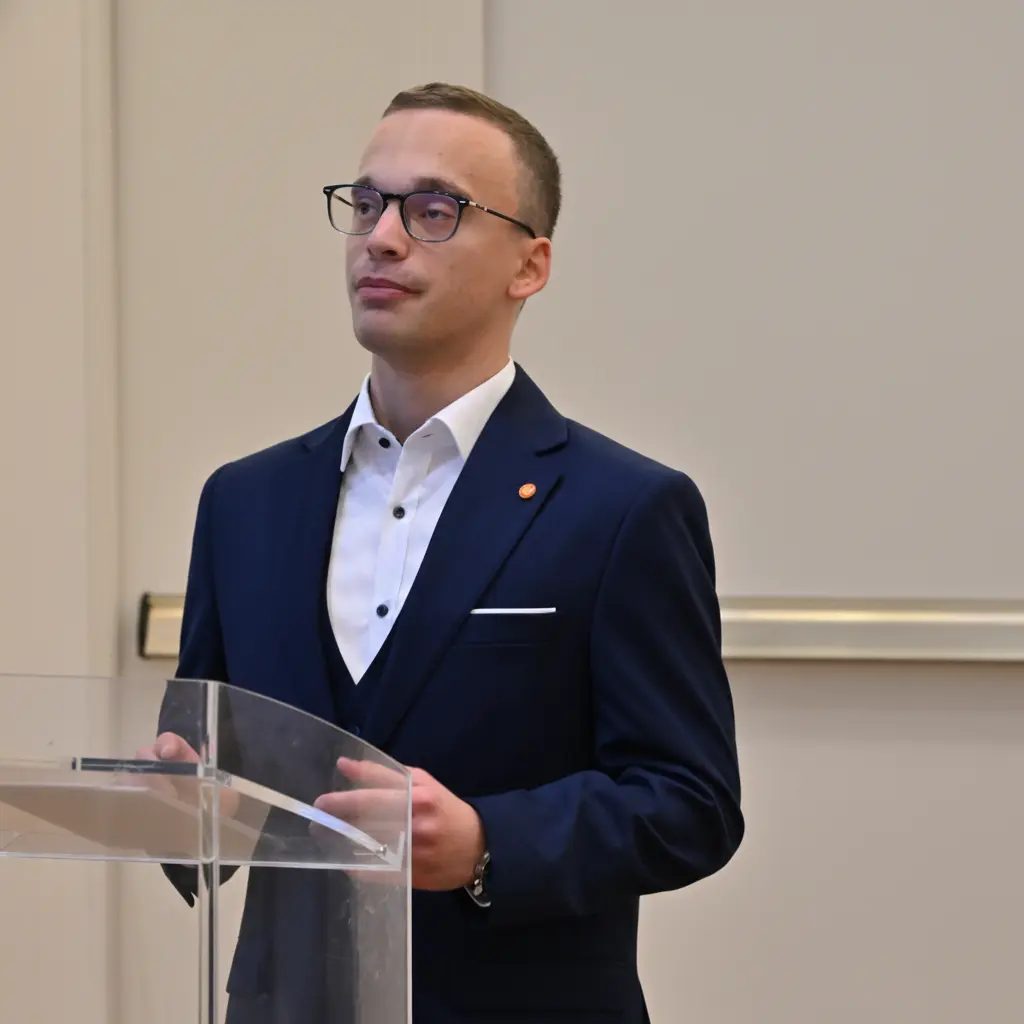
Matteo Grazioso
PhD Student in Computer Science @ Ca' Foscari University of Venice
Visiting PhD Student @ University of Milano Bicocca
Scientific Associate @ Italian National Institute for Nuclear Physics
I'm a PhD student in Computer Science at Ca' Foscari University of Venice, Visiting PhD Student at University of Milano Bicocca, and a Scientific Associate at Italian National Institute for Nuclear Physics (INFN). I'm focusing on applying advanced machine learning to real-world high-stakes domains challenges through multidisciplinary research and tech innovation.
- Artificial Intelligence (AI)
- Data Engineering
- High-Performance Computing (HPC)
- Machine Learning
- Digital Healthcare
- Data Science
- Big Data
Summary
Matteo Grazioso is a Ph.D. Student in Computer Science at Ca’ Foscari University of Venice (Department of Environmental Sciences, Informatics and Statistics). His primary research focuses on Interpretable and Fairness-Preserving AI for high-risk applications, exploring the design of trustworthy AI systems to ensure that machine learning models in high-stakes domains are transparent, reliable, and ethically aligned.
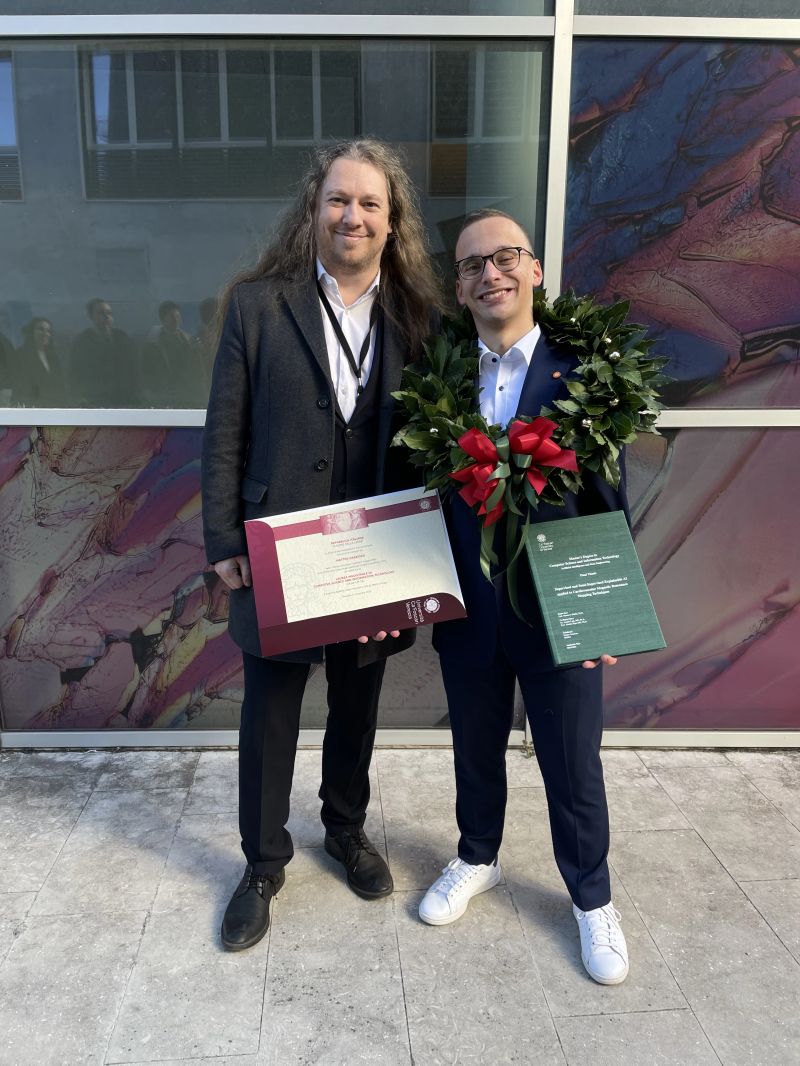
His research interests span Computational Intelligence, Machine Learning, Interpretable AI, High-Performance Computing, Evolutionary Drug Discovery, and Optimization Algorithms. Matteo holds a Master’s Degree in Computer Science – Artificial Intelligence and Data Engineering, graduating summa cum laude from Ca’ Foscari University of Venice, where he also contributed as a Research Grant Holder.
Alongside his doctoral studies, Matteo is a Scientific Associate at the Italian National Institute of Nuclear Physics (INFN), Milano Bicocca Division, and a Visiting Ph.D. Student at the University of Milano-Bicocca (Department of Informatics, Systems and Communication). He is an active member of the IEEE and the IEEE Computational Intelligence Society (CIS), contributing to the CIS Task Force on Advanced Representation in Biological and Medical Search and Optimization.
Matteo’s overarching goal is to advance the development of trustworthy, interpretable, and ethically aligned AI systems, particularly in domains where AI’s societal impact is significant, such as healthcare and biomedical research.
"The current and near-future development of Artificial Intelligence (AI) will be the most significant milestone in medicine since the discovery of antibiotics."